
 15 May 2017
BY: Sunny Jaspal
Acupuncture / Blog / Conditions
Comments: No Comments
Treating Shoulder Pain with Acupuncture
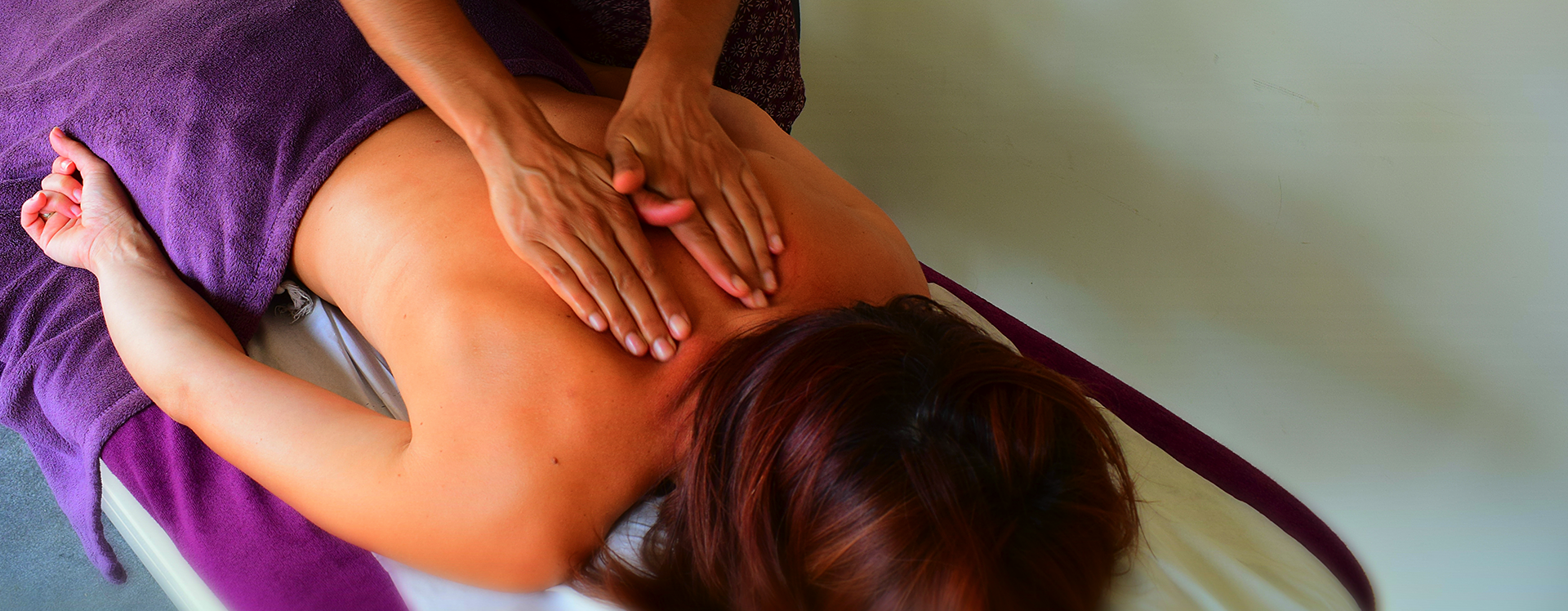
Dawn visited me with shoulder pain and neck pain. A visual assessment and palpation of the problem area revealed that the muscles of her neck and left shoulder blade were very tense and tight. A combination of cupping, massage and acupuncture were used to loosen the muscles. By the 4th treatment Dawn’s shoulder and neck had visibility improved and she was feeling pain free.
Watch this video to find out how acupuncture can help with pain and read the research on acupuncture for chronic pain and neck pain. Are you suffering from neck pain or shoulder pain? Contact Sunny.
T: 07582 684 756 Email: hello@sunnyjaspal.com
BY: Sunny Jaspal
Acupuncture / Blog / Conditions
Comments: No Comments
Treating Tension Headaches with Acupuncture
Thursday is for Tension Headaches Acupuncture Awareness Week 2017

Anna chose acupuncture for tension headaches and chest pain due to anxiety which were occurring almost every day due to a stressful work situation. In addition, she was feeling frustrated and unable to think clearly. The chest pain improved after just 1 treatment. By her 4th treatment, the headaches were already reducing, and by the 8th they had gone completely. Anna felt she was able to cope better with her mood and felt clearer in her thoughts.
Acupuncture is effective for treating chronic tension headaches. Try acupuncture with 50% off for Acupuncture Awareness Week!*
Appointments available in St Neots and Letchworth Garden City.
*Treatments must be booked by 13/03/2017
 08 Sep 2015
BY: Sunny Jaspal
Acupuncture / Blog / Conditions / Massage
Comments: No Comments
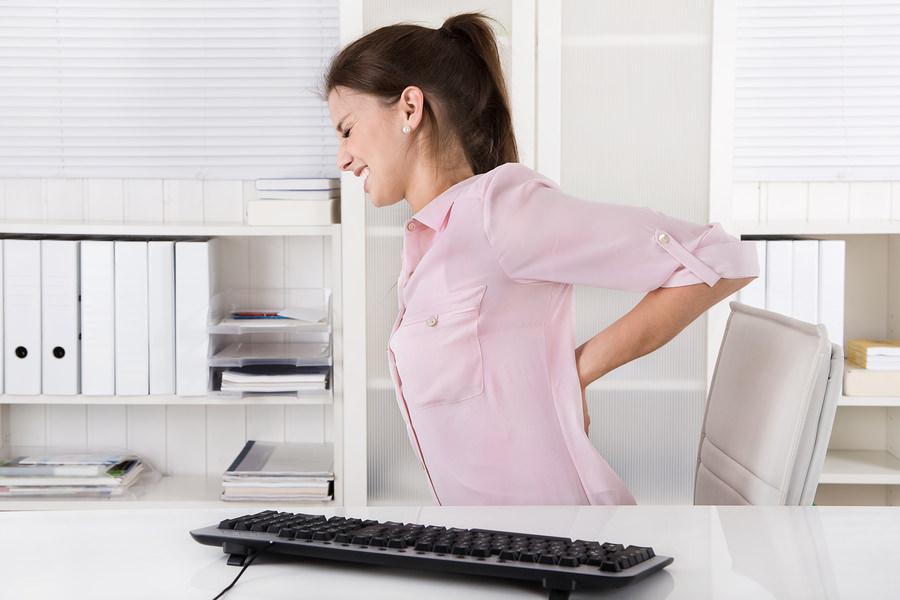
Easing Pain Caused By Poor Desk Posture

One of the most common complaints people seek treatment for is back pain, shoulder pain and neck pain. In fact more sick days are taken due to pain than any other ailment. Why do so many of us suffer with these conditions and what can we do to manage and prevent them?
Many of the people I treat are office workers, often sitting for long hours and working at computers. Poor posture, poor office ergonomics and working without breaks is a recipe for pain. This type of injury is often classed as a repetitive strain injury (or RSI) and may also include the hand, wrist, forearm and elbow. These problems may arise in any situation (not just at a desk) where bad posture is sustained.
Back, shoulder or neck pain can also be caused by depression, anxiety and stress. Sometimes there is no clear cause of pain. However, it still remains a very real problem that needs treatment.
Tips for Easing Pain

- Maintain correct sitting posture when working at your computer.
- Ensure the top of your screen is at eye level so you head is in a neutral position. If you work at a laptop then consider using a laptop riser.
- Elbows should have a 90-degree bend so that the tops of your arms are relaxed by your side, with your keyboard and mouse within easy and comfortable reach. Laptop users consider using an external keyboard.
- Feet should be flat on the floor (use a footrest if they do not reach) and knees and hips should have a 90-degree bend.
- Sit upright in a relaxed posture, using cushions to support your lower back if needed.
- Take regular breaks – use this as an excuse to keep yourself hydrated.
- Manage stress, depression and anxiety with self-care. Talk to your GP if you need help and consider other treatment methods such as acupuncture and counselling.
How can acupuncture help?
Acupuncture is great for easing pain. It is recommended by NICE for chronic pain, one of only four treatments recommended! Acupuncture is a safe and effective treatment, which uses slim, sterile and painless needles to gently encourage the body’s ability to heal itself. Acupuncture treatments include massage, cupping and heat therapy such as moxibustion or heat lamps if appropriate. Each treatment lasts an hour, and a course of 6 treatments is recommended.
Want to find out more?
BY: Sunny Jaspal
Aromatherapy / Massage
Comments: No Comments
Benefits of Aromatherapy
Aromatherapy oils enhance massage treatment

The use of aromatherapy oils at a first glance is perceived as a luxury. However, many would agree that aromatherapy adds a beneficial layer to treatments.
The use of plants for medicine is an ancient tradition. Aromatherapy employs techniques such inhalation and massage. Both of these routes of administration are safe if used in the correct quantities.
Inhalation affects the limbic system, the part of central nervous system which deals with memory and emotion.
Massage treatment allows the oils to be absorbed into the blood stream, and the massage itself affects the nervous system. Relaxation or stimulation of the nervous system depends upon which aromatherapy oils and massage techniques are used.
The goal of the aromatherapist is to assess each client and create a bespoke blend. By looking at the properties of essential oils we can create blends for specific conditions for each individual.
Research into the field of aromatherapy is somewhat scarce, however studies do exist. For example, a systematic review of Lavender oil for poor sleep suggested lavender was of benefit[1]. A more recent study showed a positive link between Lavender and stress reduction[2]. With regards to massage and aromatherapy used together, a study found improvements in knee pain when a blend of orange and ginger were used[3].
For further reading try:
Encyclopedia of Essential Oils – Julia Lawless
The Complete Guide to Aromatherapy – Salvatore Battaglia
[1] Fismer, K. L., & Pilkington, K. (2012). Lavender and sleep: A systematic review of the evidence. European Journal of Integrative Medicine, 4(4), e436-e447.
[2] Kim, S., Kim, H. J., Yeo, J. S., Hong, S. J., Lee, J. M., & Jeon, Y. (2011). The effect of lavender oil on stress, bispectral index values, and needle insertion pain in volunteers. The Journal of Alternative and Complementary Medicine,17(9), 823-826.
[3] Yip, Y. B., & Tam, A. C. Y. (2008). An experimental study on the effectiveness of massage with aromatic ginger and orange essential oil for moderate-to-severe knee pain among the elderly in Hong Kong. Complementary therapies in medicine, 16(3), 131-138.